
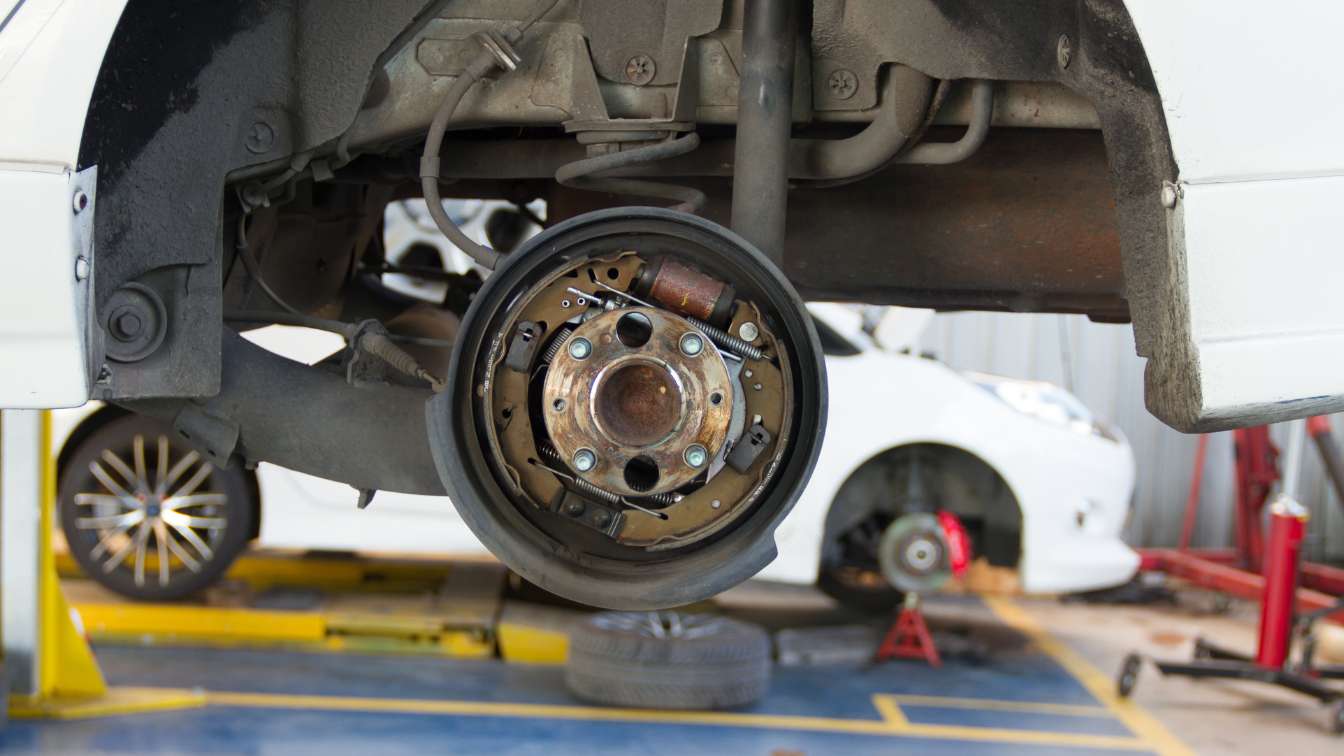
Start with the way the vehicle feels.
Noise, pulling, vibration, a changed pedal, or a brake or ABS warning light can each point to a concern that deserves inspection. The symptom alone does not confirm which component is responsible.
If the vehicle does not feel safe to drive or braking has changed suddenly, do not keep driving it. Call the shop and describe what you are experiencing.
Details that make the first conversation more useful.
Try to note when the symptom appears and whether it changes with speed, light or firm braking, a cold vehicle, or a longer drive. Mention any dashboard warning lights and whether the vehicle pulls or vibrates.
- The sound you hear and when it occurs
- Whether the brake pedal feels different than usual
- Whether the vehicle pulls, shakes, or vibrates while braking
- Any brake or ABS warning light that is on
An inspection comes before a repair decision.
A brake inspection connects the symptom to the relevant components and wear. Once the shop has assessed the concern, you can review the recommended next step for your vehicle.