
Brake inspection and repair for the symptom you notice.
Inspection and repair for braking concerns, wear, noise, vibration, and warning indicators.
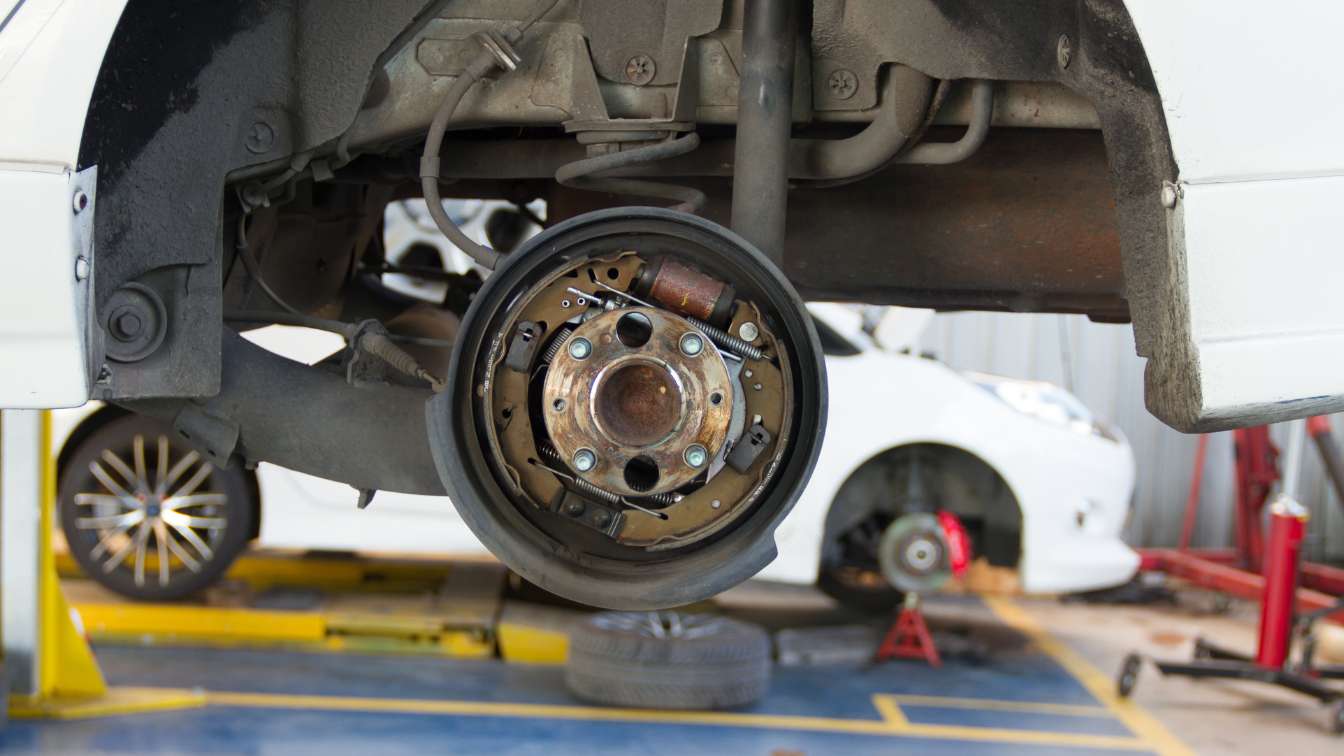
What brings this system into focus.
Brake noise, pedal changes, pulling, or vibration should be inspected. The goal is to identify what is worn or malfunctioning and show you which work applies to your vehicle.
- Squealing, grinding, scraping, or clicking while braking
- A soft, firm, low, or changing brake pedal
- Pulling, shaking, or vibration during braking
- Brake or ABS warning lights
From concern to a clear next step.
- 01
Inspection of accessible brake components and wear
- 02
Checks related to the specific symptom or warning light
- 03
An explanation of the affected components
- 04
Approved brake repair and a final operating check
The same practical repair process.
- 01
Tell us what is happening
Share the symptom, warning light, sound, or service you need.
- 02
Inspect and diagnose
The relevant systems are checked to narrow down the issue.
- 03
Approve the work
Review the recommended scope before repair work moves ahead.
- 04
Final check and handoff
The completed work is checked and the outcome is reviewed with you.
Before you book.
604-498-6042Do noisy brakes always need new pads?
Not necessarily. Noise can have different causes, so the brake system should be inspected before deciding which components need attention.
What if the brake warning light is on?
Call the shop and describe the light and any change in braking. If the vehicle does not feel safe to drive, do not continue driving it.